Energy generation

Energy: Generation and storage

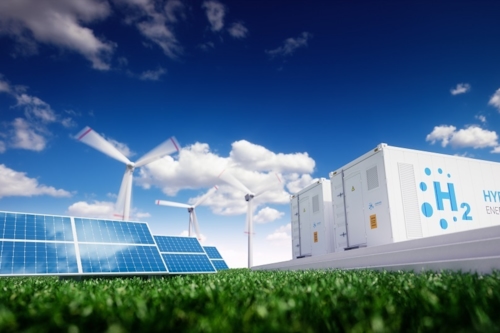
There is a clear shift in energy generation and storage. More and more companies and organizations are doing this themselves, either alone or together in business parks. This involves generating renewable energy forms, such as from wind, sun and heat. Innovative storage methods, such as hydrogen or hot water tanks, are also being used.

How do you handle these developments? Kiwa makes the energy transition tangible. We do this with tailored advice, testing, certification and training. So you can make well-informed decisions.

What’s happing in the field of energy generation and storage?

The various forms of energy generation and storage are increasingly being used in combination. For example, energy generated via solar panels or parks is then stored as hydrogen.

Additionally, heat pumps are used as a combined system for both generation and storage, for example, in a hot water tank or underfloor heating.

The latest news on the energy transition

Check out all the news

What exactly is green gas?

Green gas is gaining popularity as a sustainable alternative to fossil natural gas. It helps reduce CO₂ emissions and contributes to the energy transition. But what is it exactly? And how does it differ from biogas? In this article, we will guide you through the basics of green gas, its injection into the natural gas grid and what is involved in the process.

The 5 misconceptions about hydrogen

Many people think of hydrogen as something new—a futuristic technology that has only recently gained attention. This isn’t entirely true. Hydrogen has been used for decades in industrial processes. However, numerous misconceptions still surround hydrogen, especially as it gains prominence in the energy transition. Let’s debunk some of these myths.

Hydrogen atom

Hydrogen in Industry: The key to decarbonization

Is your industrial organisation ready for the energy transition? Many Dutch industrial companies are facing increasing pressure to reduce energy consumption, driven not only by societal expectations but also by stricter regulations. With the ambition to achieve climate neutrality by 2050 and a CO₂ reduction of 55% by 2030, the government expects companies to actively contribute to decarbonization. The question is: how can your business prepare and what role can hydrogen play in this?